
If you’re heading to Vietnam during the northeast monsoon, the fastest way to stay safe and informed is by using a tourist eSIM that keeps you online no matter how quickly the weather shifts. This rainy season can be unpredictable, especially in northern cities and coastal areas, so having reliable data helps you adjust plans, check local alerts, and explore confidently. Ready to make your trip smoother? Browse Vietnam eSIM plans here and connect instantly when you land.
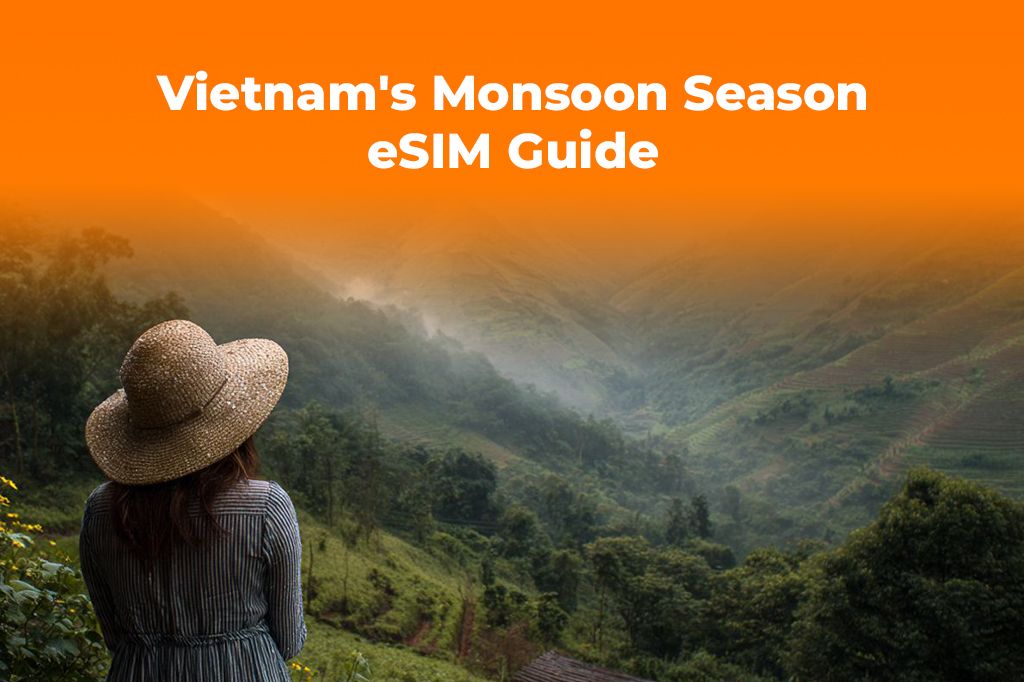
Understanding Vietnam’s Northeast Monsoon Season
Vietnam’s monsoon season—especially the northeast monsoon from October to March—brings shifting patterns that can affect your itinerary, from Hanoi weather fluctuations to heavy rains around Halong Bay. Knowing what to expect helps you plan better for city exploration, island hopping, and trekking adventures.
Before diving into travel tips, it’s worth understanding how staying connected with a digital solution like a Vietnam eSIM can help you navigate the season. If you’re new to eSIMs, you can learn more in Yoho Mobile’s guide on what is an eSIM card.
The northeast monsoon affects northern Vietnam the most, bringing cool winds, cloudy skies, and occasional storm systems. If you’re planning to travel Vietnam during this period, especially places like Hanoi, Sapa, and Halong Bay, having real-time weather updates will be essential for adjusting routes and knowing when to expect delays.
Reliable data becomes even more important for digital nomads, remote workers, and content creators who need to upload photos, share video clips, manage navigation, or coordinate work across time zones. That’s why choosing a dependable data plan for Vietnam is one of the best decisions you can make before traveling.
Why a Vietnam eSIM Is Essential During Monsoon Season
Vietnam is an incredible destination year-round, but monsoon season adds complexity that you’ll want to manage with steady connectivity. A Vietnam eSIM gives you instant access to mobile data without needing a physical SIM card or store visit, making it perfect for unpredictable weather conditions.
Here’s why travellers love using a Vietnam eSIM during this time:
- Instant activation before or upon arrival—no need to search for SIM shops during heavy rain.
- Stable 4G/5G coverage helps you track Hanoi weather patterns quickly.
- Seamless access to ride-hailing apps, maps, and language tools.
- Flexible data plans so you can choose how much you need for your travel Vietnam itinerary.
- No roaming fees, since the eSIM connects directly to local networks.
Travel creators also benefit from being able to livestream rainy street scenes, upload drone footage during clear weather windows, and post real-time content showcasing the beauty of Vietnam’s wet season.
When you use a Yoho Mobile Vietnam eSIM, you can also switch between networks automatically, which is a huge advantage during storms when one carrier may experience temporary outages. If you want to see how the service works globally, check out the guide on how Yoho Mobile works.
What Wetter Destinations to Expect: Hanoi, Halong Bay & Central Vietnam
The northeast monsoon affects various regions differently. To prepare for travel Vietnam adventures, it helps to understand which places get the most rain and how connectivity supports your journey.
Hanoi Weather
Hanoi experiences cool, misty weather and intermittent rains. Days can vary widely, so you’ll want constant updates from reliable sources such as the international weather platforms like AccuWeather.
A Vietnam eSIM ensures you can:
- Check sudden temperature drops.
- Review air quality changes.
- Navigate traffic disruptions caused by rain.
Halong Bay Weather
Halong Bay is stunning during monsoon season but can be affected by fog, low clouds, and boat schedule changes. With online access, you can quickly:
- Confirm cruise departures.
- Receive storm alerts.
- Rebook tours without needing local calls.
Central Vietnam
Regions like Hue, Danang, and Hoi An face heavier rainfall earlier in the season, especially from September to November. Staying connected helps you:
- Avoid flood-prone roads.
- Monitor safety notices.
- Compare alternate travel routes.
Step-by-Step: How to Set Up Your Vietnam eSIM
Getting your Vietnam eSIM ready is simple—even during rainy travel conditions. Here’s the exact process to follow:
-
Choose your data plan for Vietnam.
Visit the official page to compare options: Vietnam eSIM plans. -
Check your phone compatibility.
Most modern smartphones support eSIM, and the GSMA maintains an updated list of eSIM-capable devices on their site: GSMA Device List. -
Purchase and receive your QR code instantly.
Your digital eSIM details arrive via email—no physical delivery needed. -
Install your Vietnam eSIM.
Go to your phone settings and scan the QR code. Installation takes under two minutes.iPhone
- Settings → Mobile Service → Add eSIM
- Scan the QR
Android (Samsung/Pixel)
- Settings → Connections → SIM Manager → Add eSIM
- Scan the QR
-
Activate when ready.
You can activate it as soon as you land at SGN or HAN airports, or even sooner if your plan supports early activation. -
Stay connected during monsoon season.
With data enabled, you can check Hanoi weather forecasts, track Halong Bay conditions, reserve transport, and modify bookings anytime.
One of the best parts of flexible connectivity is adjusting your itinerary on the go. Whether you’re dealing with a delayed cruise, flood advisories, or sudden sunshine-perfect moments for photography, having your device online smooths everything out. If you want to make your travel even easier, you can explore additional regional plans including Southeast Asia eSIM options for border-hopping adventures.
Key Travel Vietnam Tips for Navigating Monsoon Weather
Traveling during the monsoon season can be refreshing and scenic—as long as you’re prepared. Here are top tips for staying safe and maximizing your trip:
- Carry waterproof gear for sudden showers.
- Use your Vietnam eSIM to check weather alerts before leaving your hotel.
- Plan flexible activities, especially for Halong Bay and outdoor hikes.
- Monitor road conditions, which can change quickly due to rain.
- Save offline maps in case of local network congestion.
- Book transportation on apps like Grab or Be (easier during bad weather).
Monsoon season also makes Vietnam incredibly photogenic. Misty mountains, lush rice terraces, and reflections on rain-soaked streets give you unique storytelling opportunities—especially if stable mobile data lets you upload content instantly. If you want to travel Vietnam like a pro, staying online ensures you can capture every moment and adapt your plans without stress.
If you’re ready to make your trip smoother regardless of the weather, you can instantly activate a local data plan by choosing a flexible Vietnam eSIM from Yoho Mobile.

FAQs About Staying Connected in Vietnam During Monsoon Season
Is the northeast monsoon dangerous for travel Vietnam trips?
Not usually, but it can cause occasional delays, heavy rain, fog, or flooding in some regions. Staying connected helps you receive timely updates.
Do I need a local SIM or is a Vietnam eSIM enough?
A Vietnam eSIM is usually sufficient for travellers because it gives you instant data, good speeds, and no physical card requirement.
Can I use my Vietnam eSIM in Halong Bay?
Yes—coverage in Halong Bay’s port and surrounding areas is typically strong, though remote limestone formations may have weaker reception.
Does Hanoi weather change quickly?
Yes, weather patterns fluctuate rapidly during the northeast monsoon. Online access helps you plan daily activities with realistic expectations.
What data plan for Vietnam is best for monsoon season?
Choose a plan with at least 5–10GB if you’re using maps, ride-hailing apps, and weather services frequently.
Conclusion
Vietnam’s monsoon season is beautiful, dramatic, and full of adventure—as long as you’re well-connected and prepared. With a Vietnam eSIM, you can navigate Hanoi weather shifts, stay informed about Halong Bay updates, and keep your travel Vietnam plans running smoothly. To stay connected from the moment you arrive, get your Vietnam eSIM here and travel with confidence.