
Advanced satellite internet systems and international mobile networks work together to keep your eSIM connected almost anywhere on the planet, giving you dependable global coverage for travel, work, and remote exploration.
Understanding this relationship helps you appreciate how modern telecom technology keeps your device online across borders, in rural zones, and through complex handoffs between satellite signals and terrestrial towers. Ready to stay connected worldwide? Choose a global Yoho Mobile eSIM plan before your next trip and enjoy seamless access across continents.
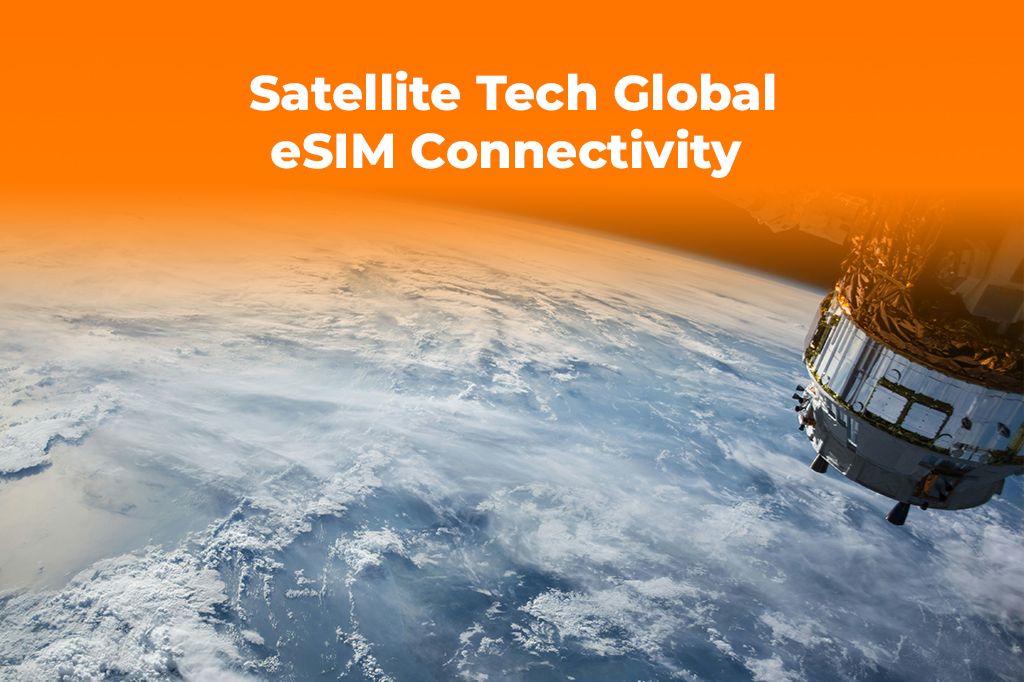
Why satellite internet matters for global mobility
Satellite internet once felt like a niche solution used only in rural locations. Today, it plays a central role in global connectivity. Even though everyday eSIM usage depends primarily on ground-based mobile networks, satellites support these networks behind the scenes.
Many travelers ask how does eSIM work when they move between remote regions. The answer includes more than the digital SIM itself. Your phone receives coverage from a combination of international mobile networks, roaming agreements, cloud platforms, and satellite-supported infrastructure.
When you understand this ecosystem, you travel more confidently. You know what happens when your device jumps between coverage zones, how calls or data sessions maintain stability, and why border crossings feel seamless. This larger system makes international eSIM travel not only possible but reliable.
At the foundation of this system sit telecom standards that ensure interoperability. Organizations like the GSMA eSIM standards help networks communicate efficiently, while satellite systems supply resilience and extended reach.
How telecom technology integrates with modern eSIM systems
Your eSIM uses digital provisioning to activate service instantly without plastic cards. That simplicity hides a complex network collaboration. International mobile networks route your device through regional towers, roaming partners, and sometimes satellite backbones.
When you read about how does eSIM work, you often see references to profile downloads, QR codes, and device settings. But real magic happens when networks exchange authentication requests and hand you off to partner towers in milliseconds.
Satellite internet supports this ecosystem in different ways:
- Providing rural backhaul for towers
- Offering temporary links during outages
- Extending coverage to islands and remote zones
- Delivering supplementary bandwidth
- Supporting emergency services in low-signal regions
This becomes essential when you travel through countries with varied terrain or when a network relies on satellite-based transmission to stabilize traffic.
Why global connectivity depends on more than towers
Ground-based infrastructure remains the default for urban and suburban coverage. Still, continents with large rural regions—Africa, Australia, South America, and parts of Asia—depend heavily on satellite backhaul.
A global eSIM becomes far more useful when these satellite-supported systems ensure continuity. Even if your phone does not communicate directly with a satellite, your data often travels across satellite-supported routes before reaching international data centers.
That means your experience with global connectivity is often shaped by blended systems rather than a single type of infrastructure.
What it feels like for travelers using satellite-supported networks
Imagine taking a train through rural Europe or driving across deserts in Australia. Your phone may jump from tower to tower, occasionally relying on backhaul systems routed through satellite internet. Even at the edges of coverage maps, your signal remains more stable than older roaming systems.
You benefit because:
- eSIM technology manages roaming automatically
- Modern networks use strong handoff protocols
- Satellite routes supplement overloaded local towers
- Authentication happens quickly through global databases
This experience gives you uninterrupted messaging, mapping, translation, and navigation—essential features for remote travel.
Step-by-step: How your eSIM stays connected around the world
Even though most of the process happens behind the scenes, these steps explain how devices maintain global connectivity.
- Your device downloads an eSIM profile
It might be a regional, country-specific, or global plan. This digital identity allows your phone to register with partner networks abroad.
Why this matters
The digital identity eliminates physical SIM swaps, leaving room for instant activation.
- Your device finds the strongest available network
When you cross a border, your phone scans for partner networks included in your plan.
What happens in the background
International mobile networks exchange encrypted signals to authenticate your device.
- Your traffic travels across towers, fiber, and sometimes satellites
Depending on the region, your data hops through terrestrial stations, undersea cables, or satellite systems.
Why this happens
Telecom technology uses redundancy to prevent outages and maintain stability.
- Your device maintains session continuity
As you move, networks hand off your connection smoothly without dropping data sessions.
Travel benefit
You enjoy navigation, uploads, and messaging without interruption.

How real travelers experience satellite-supported connectivity
A digital nomad working across remote towns in Peru used a global eSIM to send files while riding public buses. Even in mountainous regions, satellite-supported network backhaul kept uploads stable enough to meet deadlines.
An adventure traveler exploring remote Indonesian islands navigated boat routes using online maps. While tower coverage was limited, satellite-fed infrastructure supporting nearby towers ensured they never lost connection fully.
A photographer capturing desert landscapes in North Africa synced images to the cloud using hybrid coverage, proving that global connectivity can reach almost anywhere when networks rely on satellite links.
Why international mobile networks improve each year
Networks evolve fast. New satellites join low Earth orbit platforms. Telecom companies increase fiber capacity. Countries modernize their infrastructure. These upgrades push global coverage into regions that once lacked stable service.
Key technologies supporting this growth include:
- Low Earth orbit satellite constellations
- Expanded 4G and 5G roaming agreements
- Multi-IMSI eSIM profiles
- Faster authentication servers
- New transmission protocols
When you use a global eSIM, you benefit from all these improvements without needing new hardware.
Why understanding how does eSIM work empowers travelers
When you know the basics of how digital SIMs integrate with satellite internet systems, you appreciate the convenience they offer. You also avoid common travel frustrations.
You gain confidence when:
- Switching countries
- Working remotely
- Uploading content from rural areas
- Handling emergency navigation
- Traveling during peak seasons
Your phone becomes your lifeline, and global connectivity keeps that lifeline strong.
Mid-trip reminder for global travelers
If your itinerary includes remote zones or multiple border crossings, you want a plan that stays active everywhere. Want easy, uninterrupted coverage? Activate a global Yoho eSIM so you avoid gaps during long journeys.
How global eSIM plans take advantage of satellite-backed systems
Global plans use multi-network access to keep you connected. When one local operator faces congestion, your device hops to another. Satellite-supported infrastructure adds resiliency when towers alone cannot carry the load.
This gives you:
- Global routing
- Reduced latency fluctuations
- Stronger rural signals
- Reliable performance during travel
- Better uptime for digital tools
For travelers who work on the go or rely on cloud services, this consistency matters.
Environmental factors and how networks respond
Weather can affect satellite signals, and terrain can affect tower reach. Yet hybrid infrastructures compensate through:
- Multi-path routing
- Redundant satellite beams
- Adaptive power distribution
- Smart switching algorithms
This ensures your global connectivity remains stable despite environmental challenges.
Key takeaways for understanding eSIM and satellite systems
- Satellite internet strengthens remote and rural coverage
- Global connectivity relies on blended systems
- Understanding how does eSIM work helps you travel smarter
- Telecom technology advances every year
- International mobile networks use satellite support for redundancy
FAQs
Does my phone connect directly to satellites?
Usually no—most eSIM data travels through towers, but satellites support the backbone.
Do global plans rely on satellite internet?
Many roaming networks use satellite-supported backhaul in remote areas.
Is coverage consistent worldwide?
Yes, but performance varies based on local infrastructure.
How does eSIM activation work abroad?
Your digital profile authenticates with partner networks instantly.
How can I learn more about supported regions?
See details on pages like how Yoho Mobile works.
Conclusion
Satellite technology and international mobile networks work together to keep your global eSIM online everywhere you travel. This combined infrastructure gives you reliable, secure, and flexible connectivity from cities to remote terrains. Want seamless global performance? Get your global eSIM today and stay connected wherever your journey leads.