
Having instant, reliable connectivity is one of the most important safety tools when visiting India, especially if you’re concerned about emergency communication travel or wondering is it safe to travel to Delhi. With stable mobile data, you can call for help, access maps, receive alerts, and stay connected with loved ones no matter where you go. If you want peace of mind from the moment you land, consider starting your trip with a secure data plan from Yoho Mobile’s India eSIM options to stay protected throughout your journey.
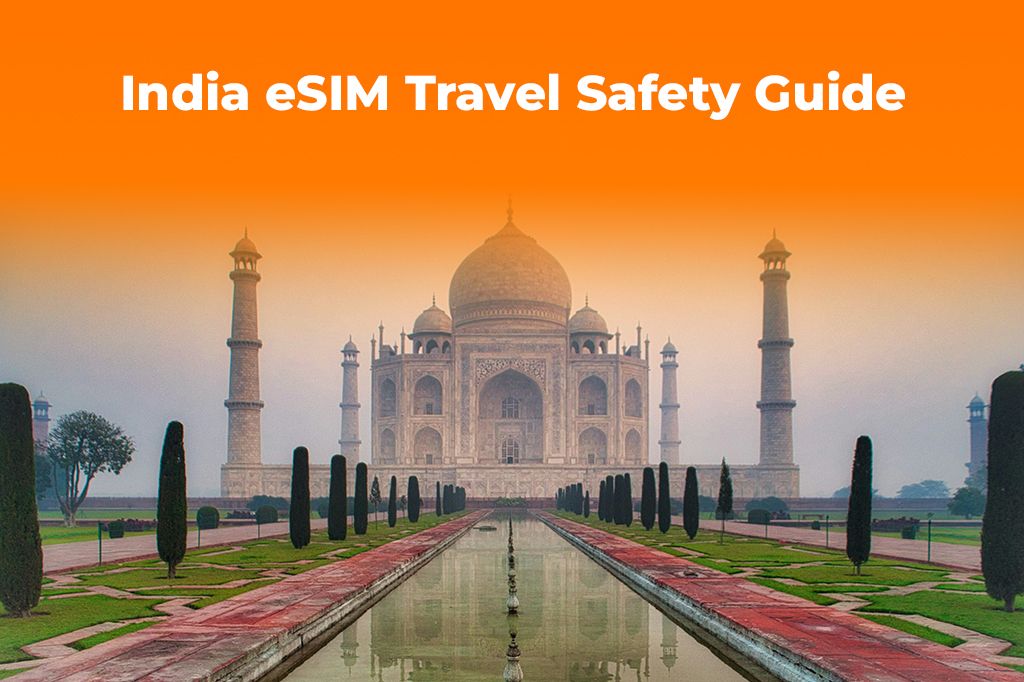
Picture by Lucio Patone on Unsplash
Why Travel Safety in India Requires Reliable Connectivity
India is one of the world’s most vibrant destinations—full of history, culture, festivals, and unforgettable landscapes. But like any fast-paced country with large metropolitan areas, navigating safely depends on staying informed and prepared. Whether you’re researching travel safety India tips or planning visits to cities like Mumbai, Bangalore, and Delhi, connectivity is key.
Travelers often ask: is it safe to travel to Delhi? Like most major global cities, Delhi is generally safe for experienced travelers who stay aware of their surroundings, avoid high-risk areas at night, and keep communication lines open. That last part—communication—is crucial.
This is where an India eSIM card makes a significant difference. If you’re new to digital SIM technology, you can learn the basics through Yoho Mobile’s guide on what is an eSIM card. Once you understand how it works, it becomes clear why staying connected isn’t just convenient—it directly supports your safety.
From real-time route guidance to emergency calls and local alerts, mobile data empowers you to make informed decisions in unfamiliar environments.
Why an India eSIM Card Matters for Emergency Situations
An India eSIM card provides continuous access to mobile data without the hassle of finding a local SIM vendor or dealing with roaming in India through your home carrier. More importantly, an eSIM supports safer travel by ensuring you’re never offline in crucial moments.
Here’s why you should seriously consider using one:
-
Instant activation on arrival
No queues, no paperwork—just activate your eSIM and you’re connected. -
Access to emergency numbers anytime
Essential services like 112 (India’s unified emergency number), ambulance services, and local police are always within reach. -
Reliable data in India
Coverage across major cities and popular travel regions ensures your maps, translation apps, and safety tools always work. -
Safe navigation through busy areas
Delhi, Mumbai, and Bengaluru can be confusing for first-time visitors. Real-time GPS reduces the risk of getting lost or entering dangerous zones. -
Better than roaming in India
Travelers often face unpredictable roaming fees abroad. Prepaid eSIM plans eliminate bill shock and keep safety tools accessible 24/7.
Many foreign travelers rely on an India eSIM card for emergency communication travel—not as a backup plan, but as a core safety asset. And for uninterrupted service, it’s helpful to understand how Yoho Mobile works so you can pick the right data plan for your route.
Step-by-Step: How to Stay Safe in India With Your eSIM
Knowing how to use your eSIM effectively can significantly improve your travel safety India experience. Here’s a clear setup guide:
-
Purchase your India eSIM card before departure
Buying early ensures a smoother arrival and gives you time to check device compatibility. -
Install the eSIM using the QR code
Your phone will download the plan instantly. Keep your home SIM active if you need two numbers at once. -
Activate once connected to Wi-Fi or local network
You can do this at home or upon landing in India using airport Wi-Fi. -
Enable local data roaming on the eSIM profile
Don’t confuse this with international roaming—this simply allows the eSIM to connect to Indian networks. -
Turn on location services
Apps like Google Maps, Uber, Ola, and emergency tools require location accuracy. -
Save emergency contacts
Add numbers like 112, your hotel, and your embassy’s local hotline. -
Use safety apps
Apps like “My Safetipin” and “112 India App” are recommended by local authorities for safer travel.
How an eSIM Helps You Respond to Emergencies in India
Emergencies are rare, but when they happen, time matters. With an eSIM, you can react quickly, even in stressful situations.
1. Fast Access to Police and Ambulance Services
Calling emergency responders requires a stable network, which is more reliable with a prepaid plan than unpredictable roaming in India.
2. Real-Time Location Sharing
Whether you’re meeting friends, using ride-hailing apps, or updating family, you can share your live location instantly.
3. Avoiding Unsafe Areas
Many apps use crowd-sourced data to highlight poorly lit streets, isolated areas, or unsafe transportation hubs.
4. Safety Alerts and Travel Advisory India Notifications
Government and embassy alerts reach your device immediately—crucial during natural disasters, transportation strikes, or civil disruptions.
5. Backup Communication Tool
If your primary number fails, your eSIM data keeps messaging apps like WhatsApp, Telegram, and FaceTime functioning.
For added peace of mind, you can review Yoho Mobile’s flexible data plans using the Travel eSIM Store, which makes staying safe throughout India easier and more affordable.
Traveler Stories: Why Connectivity Matters
Many travelers visiting India have shared stories highlighting how reliable data in India improved their safety:
- A couple in Delhi used real-time traffic and metro updates to avoid overcrowded areas where pickpocketing incidents increase.
- A solo traveler in Jaipur relied on live GPS tracking to ensure her taxi was taking the correct route.
- A business traveler in Mumbai received storm alerts minutes before heavy rainfall, allowing him to move indoors before transportation shut down.
These experiences show that staying connected is more than a convenience—it’s a crucial part of modern travel safety.
Quick Safety Tips for Visiting India
To make your trip even smoother, here are essential recommendations used by seasoned travelers:
- Keep valuables zippered and secure in crowded areas.
- Avoid isolated streets at night—use rideshare apps instead.
- Download offline maps as a backup.
- Follow official travel advisory India reports.
- Dress modestly, especially in religious or traditional areas.
- Stay connected with a reliable India eSIM card throughout your trip.
For authoritative mobile networking guidance, you can also refer to resources from GSMA, which offers insights into global mobile standards and traveler connectivity.
FAQs About Travel Safety India and eSIM Use
Is it safe to travel to Delhi for first-time visitors?
Yes, with awareness and preparation. Staying connected with an eSIM helps you navigate and access help quickly if needed.
Do I need an eSIM even if my hotel has Wi-Fi?
Yes—public Wi-Fi isn’t reliable or safe enough for emergencies or navigation in busy areas.
Is roaming in India from my home carrier a good option?
Usually no. It’s expensive and may lead to slow speeds or inconsistent coverage.
Which networks support eSIM in India?
Most major networks do, and Yoho Mobile partners with reliable carriers for the best possible data experience.
Conclusion
Staying safe in India starts with staying connected, and an eSIM gives you the emergency communication and reliable data support you need in any situation. If you want a stress-free journey across India’s vibrant cities and landscapes, explore secure data options at Yoho Mobile’s India eSIM shop and travel with confidence wherever you go.