
If you travel to Sudan for essential work, humanitarian duty, or crisis response, this guide shows how an eSIM helps you stay connected, informed, and safer while navigating an active Sudan travel advisory.
When your work requires presence in Sudan, reliable communication matters more than convenience: it supports coordination, safety, and access to critical updates. Because the Sudan travel advisory remains high due to conflict and infrastructure strain, you need dependable connectivity so you share location details, receive alerts, and keep contacts informed. If you prepare for essential travel, learning how an eSIM for Sudan helps you stay reachable offers peace of mind for you and those who depend on your updates. Ready to prepare better? Secure your mobile setup early so your mission runs more smoothly.

Why Connectivity Takes Priority in Sudan
Sudan remains in crisis. Whether you support medical relief, NGO deployments, news reporting, or diplomatic corridors, communications gaps can delay response or create risk. Against this landscape, a physical SIM card alone may not offer enough flexibility or reliability. Traditional networks might be unstable. Urban centers such as Khartoum or Port Sudan experience variable service based on infrastructure conditions.
This is why many field teams combine radio, satellite messaging, and digital connectivity. One option you use is a travel-ready eSIM that avoids locating local SIM vendors or taking time away from your duties. When you understand what is an eSIM card, you learn that it installs digitally rather than physically, so you receive service profiles even before arrival. For Sudan, that preparation gives you backup communication capacity if a line fails or teams split across zones.
NGO staff discuss how rotating across border zones is common, so Africa data plan options with roaming flexibility matter. A Sudan-trained journalist noted their phone profile helped them upload encrypted files during a temporary service window. This shows remote connectivity gives you margin where downtime has consequences.
Why an eSIM Helps During Sudan Deployments
You face several challenges in this context:
- Service reliability varies by region.
- Field safety depends on updates.
- Teams disperse across remote zones.
An eSIM for Sudan gives you backup routing, separate profiles, and independent control over data priorities. You avoid searching markets for SIM vendors, which may not be safe or practical. You also reduce risk tied to card loss or confiscation because your line lives digitally.
For humanitarian teams, NGO travel data plans offer cost control. You prepay usage, so you do not generate unpredictable fees during missions. International organizations often recommend secondary communications, including encrypted messaging and VPN standards aligned with operational policy. While consumer tools like a VPN do not replace enterprise security, you maintain a secure session for cloud access if regulations allow.
How to Prepare a Remote Connectivity Plan
You combine more than one tool because this environment has no guarantees. Your plan usually includes:
- A primary mobile network
- A secondary eSIM as fallback
- Offline mapping files
- Backup messaging apps or secure channels
- Periodic check-in protocol with HQ
An Africa data plan aligned with Sudan operations supports contact updates, GPS reporting, and cloud information sync. Meanwhile, satellite messengers remain critical for true blackout scenarios.
International frameworks like GSMA eSIM standards guide interoperability so your device works across providers. Understanding standards gives you confidence your connectivity stack does not collapse due to compatibility issues.
Step-by-Step Setup for Sudan Field Readiness
-
Install your eSIM profile ahead of deployment
You activate your line before departure. That way, if you require access immediately upon arrival, you switch data pathways without searching for vendors locally.
Tip: Store emergency QR and activation data offline
-
Set priority to your main NGO or mission number while routing data over your eSIM for Sudan
This ensures contact teams reach you via assigned mission numbers, but your data uses prepaid channels.
Tip: Review roaming permissions and emergency call rules
-
Sync mission-critical apps
You download secure messaging clients, mapping layers, and language resources. Sudan’s infrastructure changes quickly, so offline files matter.
Tip: NGOs often advise enabling two-factor authentication
-
Check local restrictions and advisories
Sudan travel advisory updates appear on government websites and international NGO channels. You align communications expectations by confirming if internet access remains stable in your target region.
Tip: Validate whether your eSIM provider supports coverage in both urban and remote zones
Because you operate in challenging areas, you benefit from a second connectivity channel that remains ready if the primary network fails. Many teams find this reduces downtime between check-ins.
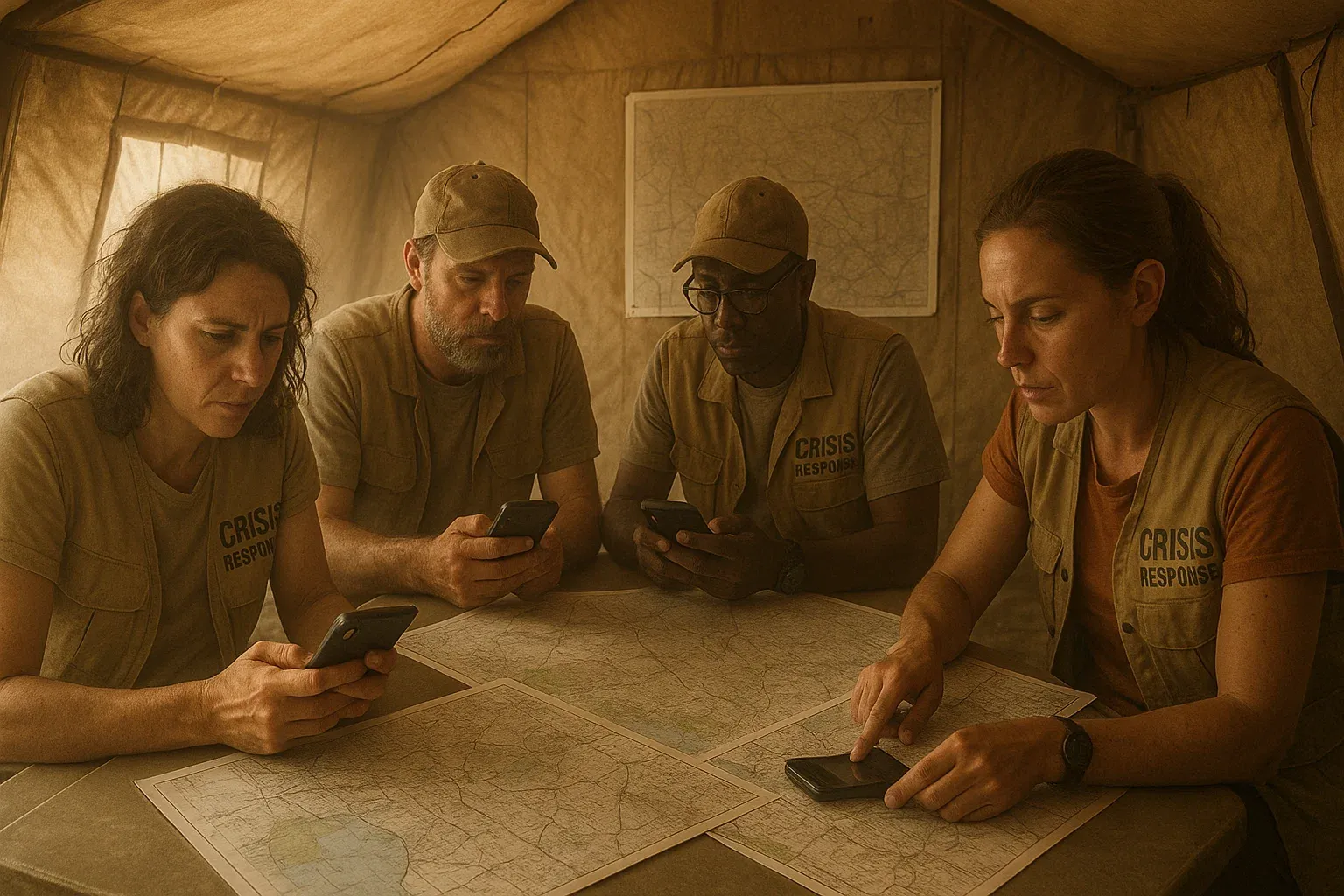
Field Insights from Essential Travelers
A medical volunteer working near the eastern corridor used remote connectivity to schedule supply pickups and share travel coordinates. They stated their backup connection provided situational awareness without relying on uncertain local SIM vendors.
A journalist assigned to Sudan monitored NGO travel data usage to balance uploads and message encryption. They valued having an eSIM ready before arrival because service points were limited.
Both stories highlight how essential mobility requires reliable data. You also see how remote connectivity supports operational resilience.
If you prepare for similar deployments, you can learn how Yoho Mobile works so you understand setup steps and usage considerations that apply in high-risk locations.
If you expect movement across borders or Africa-wide zones, selecting a flexible eSIM profile early gives you continuity and reduces risk exposure.
Key Considerations During Sudan Operations
Before departure, check:
- Sudan travel advisory level from your government or agency
- Mission communication plan
- Redundancy requirements
- Mobile coverage zones for your eSIM
In-country, maintain routine:
- Daily check-ins
- Field safety protocols
- Backup charging systems
- Secure password policy
For essential deployments, connectivity plays more than a comfort role — it helps coordinate safety, reporting, logistics, and crisis activity.
FAQs
Is Sudan safe for casual tourism?
No. Current Sudan travel advisories discourage non-essential travel due to active conflict and instability.
Can an eSIM replace satellite tools?
No. It complements them but does not substitute satellite capability when networks shut down.
Should I rely only on mobile data?
No. You combine mobile, offline tools, radios, and check-in structures.
Does an eSIM work everywhere?
Coverage depends on provider arrangements and infrastructure state. Verify current reach before deployment.
Conclusion
Essential work in Sudan requires preparation. You cannot depend on single-point connectivity. Using an eSIM for Sudan serves as one layer in a broader safety plan so you remain reachable, informed, and coordinated while completing your mission. If you need dependable setup ahead of deployment, you can explore provider options so your communications are ready when duty calls and align your connection strategy with your mission goals.