
You need dependable data when traveling to China because access, speed, and app availability differ across regions, and planning ahead helps your trip run smoothly.
China offers rich history, modern transport, and digital infrastructure, but you must understand mobile networks, restrictions, and how services work. Ready to stay connected from Beijing to Shanghai? Secure your esim for China before you land so you navigate confidently.
Traveling to China? Learn how mobile data, eSIM setup, the Great Firewall, VPN access, and local connectivity rules affect your trip across Beijing, Shanghai, and beyond.
Why China travel data differs from other destinations
China’s connectivity is advanced, but international travelers notice key differences. Certain social platforms, cloud services, and news sites operate differently due to domestic regulation often known as the Great Firewall. Understanding what is an eSIM card becomes essential because remote activation helps you bypass airport kiosks and language barriers.
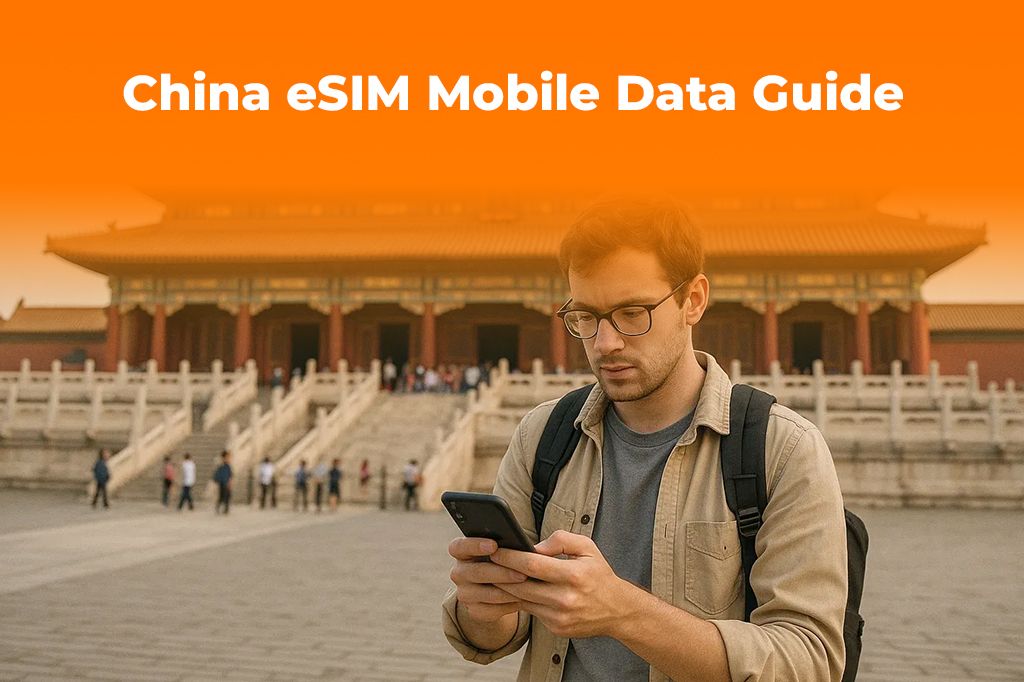
Beijing operates as China’s political center and home to widely visited landmarks like the Forbidden City. Major cities use mobile-first services for payments, ride-hailing, and navigation. New arrivals often feel surprised when regular apps do not load or behave slowly. Once you install an esim for China, you gain steady access to messaging apps, maps, hotel bookings, and translation tools.
Coverage is excellent in urban areas. However, what matters most is how your apps connect. Some travelers reference leaders such as Xi Jinping when discussing policy shifts, but the important takeaway for visitors is that China travel restrictions mainly apply to digital access rather than movement for tourists. You adapt your usage while enjoying the country’s fast networks.
What makes eSIM useful in China
China’s digital infrastructure relies heavily on QR code tickets, mobile payments, scan-to-rent bikes, and city-specific apps. With physical SIM card registration often involving passport scans and forms, many travelers find it easier to activate mobile data digitally before arrival.
An eSIM helps you:
- Access data immediately upon landing
- Avoid language challenges at carrier counters
- Manage plans without swapping cards
- Keep your home number active for verification
If you visit several regions, installing the best esim for China simplifies travel between Beijing, Shanghai, Xi’an, and Shenzhen. You maintain steady access for maps, ride-booking tools, and messaging.
Practical steps for setting up mobile service before flying
-
Confirm device compatibility
Check your phone settings or consult resources such as GSMA eSIM standards to ensure your model supports eSIM. -
Choose China coverage
Providers offer dedicated China travel data packets. Review duration, speeds, and data caps before purchase. -
Activate while on Wi-Fi
Scan your QR code and install the plan at home. That way, it works when you land. -
Toggle roaming
Enable roaming to put your China SIM into effect. -
Keep a backup
Save installation codes offline in case hotel Wi-Fi is slow.
These actions save time in airports and reduce stress. Before flying, read guidance on how Yoho Mobile works to ensure smooth setup.
Understanding the Great Firewall and VPN use
China regulates access to platforms like Google, WhatsApp, certain news portals, and Western social media. Some travelers research the Great Firewall VPN solutions before traveling. Regulations evolve, so always review rules and choose tools legally available within China. The focus here is to help you travel confidently by planning your app usage.
WeChat, Baidu Maps, and Alipay are popular local options. They handle communication, navigation, and payments. Instead of relying on blocked platforms, you use services that work natively within China.
Beijing data plan choices: what matters most
If you explore Beijing, especially near historic sites like Tiananmen Square or Wangfujing, mobile apps let you route buses or book Metro rides. A Beijing data plan that performs well under crowd load helps your day run easier.
Tourists often value:
- Reliable maps
- Translation access
- Payment function
- Fast uploads for photos
China’s massive user base means networks handle heavy volume. An esim for China is useful because you avoid SIM shop steps and activate the best plan for your trip length.
Traveler examples: managing data while navigating China
A visitor arriving in Beijing went straight to the Metro with their eSIM active and used translation apps to buy tickets. Meanwhile, another traveler without data struggled to check hotel directions and waited at the airport for Wi-Fi access. That delay cost time and energy.
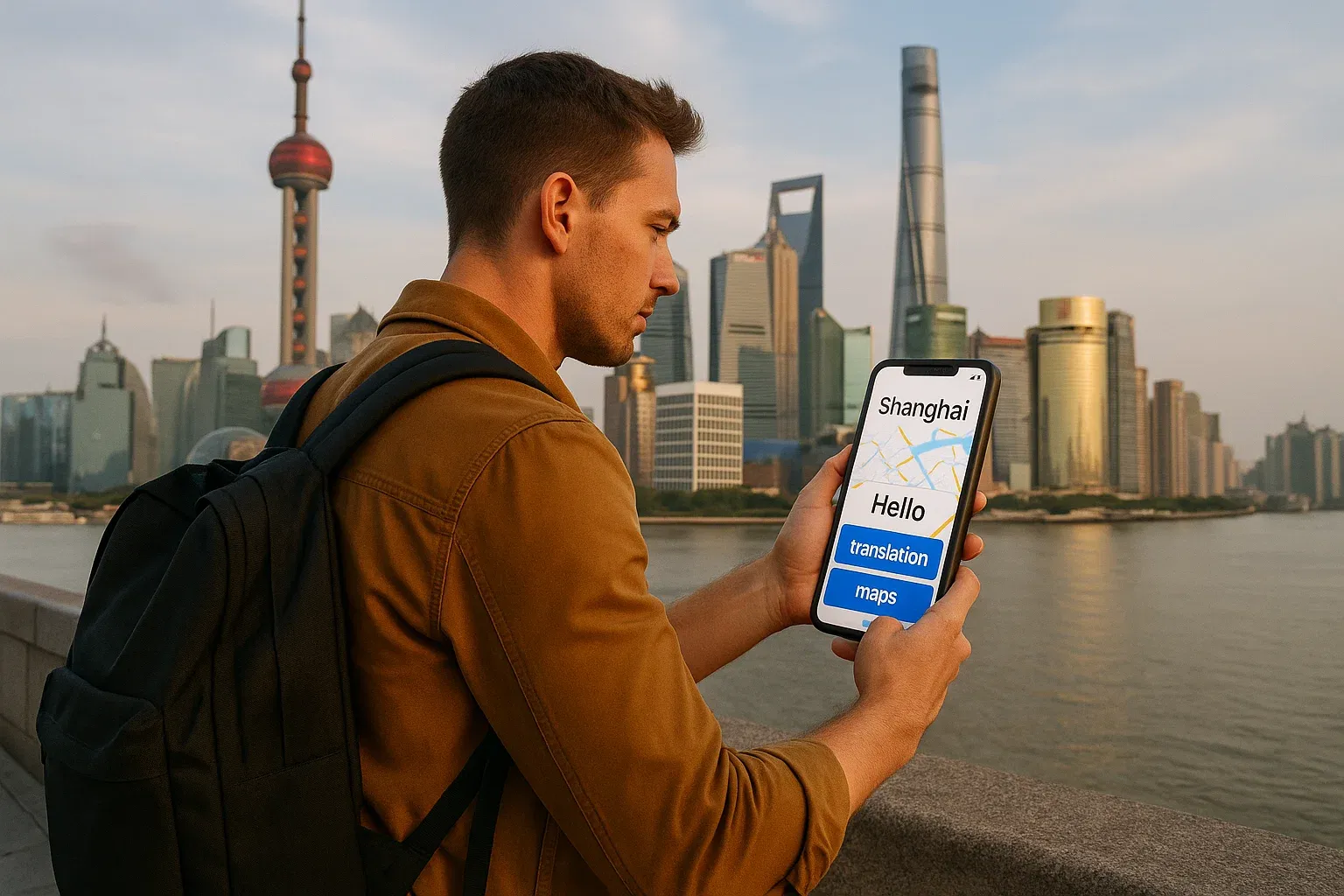
Another traveler visiting Shanghai used mobile payment apps enabled over China travel data to ride shared bikes on the Bund. Without mobile coverage, they would have walked long distances or waited in lines for taxis.
These examples show how valuable seamless connectivity becomes in a digital-first travel environment.
Key features travelers value in China mobile access
- Quick activation
- Good performance in cities
- Access to translation services
- Stable coverage across hubs
- Compatibility with local apps
A digital plan lets you focus on sightseeing rather than SIM shop queues.
Using eSIM with China travel restrictions
Some visitors worry about digital rules. For tourists, the main consideration is that some Western apps may not load. That is a software difference, not a mobile network issue. You install services supported in China and rely on local alternatives.
While names like Xi Jinping appear in global conversations around China policy, for travel purposes the focus lies on knowing which tools work and preparing accordingly. Reliable internet access helps you navigate those differences without confusion.
Mid-trip tips for travelers across China
- Download offline maps
- Keep translation apps updated
- Test hotspots at hotels
- Pre-scan tickets or QR passes
- Always carry passport for registration needs
Many travelers add data mid-trip when exploring beyond Beijing. When you need more coverage, upgrade through Yoho Mobile so you stay connected at every step.
Expanding beyond Beijing: multi-city travel plans
China has efficient trains and flights between cities. If you explore Hangzhou, Guangzhou, or Chengdu, local connectivity supports navigation and booking platforms. Instead of buying a local China SIM card for each city, a single eSIM plan travels with you.
Regional solutions help when you handle imports or meetings across provinces. Business travelers appreciate seamless service across airports, coworking spaces, and hotels.
Payment platforms and mobile apps you will use
You will likely rely on:
- WeChat for messaging
- Alipay for payments
- Baidu Maps for directions
- Didi for rides
- CTrip for bookings
These apps work smoothly over China travel data; however, some require identity verification. eSIM access ensures your phone number confirms sign-ins.
Using VPN services the right way
Many travelers ask about using VPN tools to reach services outside China. Regulations change, so research laws before using any VPN solution. Focus on legal options or services operating compliantly within China. Treat connectivity planning seriously to respect local rules.
Essential packing and setup checklist
- Power bank
- Backup QR codes
- Passport copies
- Installed eSIM profile
- Offline translation packs
China’s digital reliance makes high battery life and ready apps crucial.
Why digital nomads appreciate eSIM in China
Remote workers value apps that schedule coworking desks, collect payments, or stream content. A strong esim for China helps maintain productivity across networks while complying with regional rules. They switch between cities and coworking clusters, maintain communications, and coordinate logistics while on the move.
Key takeaways for China travelers
- Install eSIM before landing
- Rely on local apps for navigation and payment
- Prepare for some platform restrictions
- Download backups
- Understand rules before using VPNs
FAQs
Do I need a physical SIM?
Not if your device supports eSIM. Digital activation gives fast access.
Will Western apps work?
Some do, some don’t. Expect the Great Firewall to limit access. Rely on local platforms when needed.
Can I top up during my stay?
Yes, you can add data online through your provider.
Does an eSIM help in rural areas?
Urban zones perform best, but eSIM often beats hotel Wi-Fi in reliability.
What about VPNs?
China regulates VPNs. Research legal options before use.
Conclusion
China is an exciting destination with unique digital norms. By preparing a mobile setup that respects local rules and keeping your apps ready, you enjoy smoother movement through cities, historic sites, and transportation networks. Stay connected from arrival through departure by selecting a Yoho Mobile China plan designed for your itinerary.